

Medical Radiation Practice Board of Australia professional capabilities
An insightful demonstration of clinical competency, professional standards, and evidence-based practice across key MRPBA domains.
Domain 1: Medical radiation practitioner
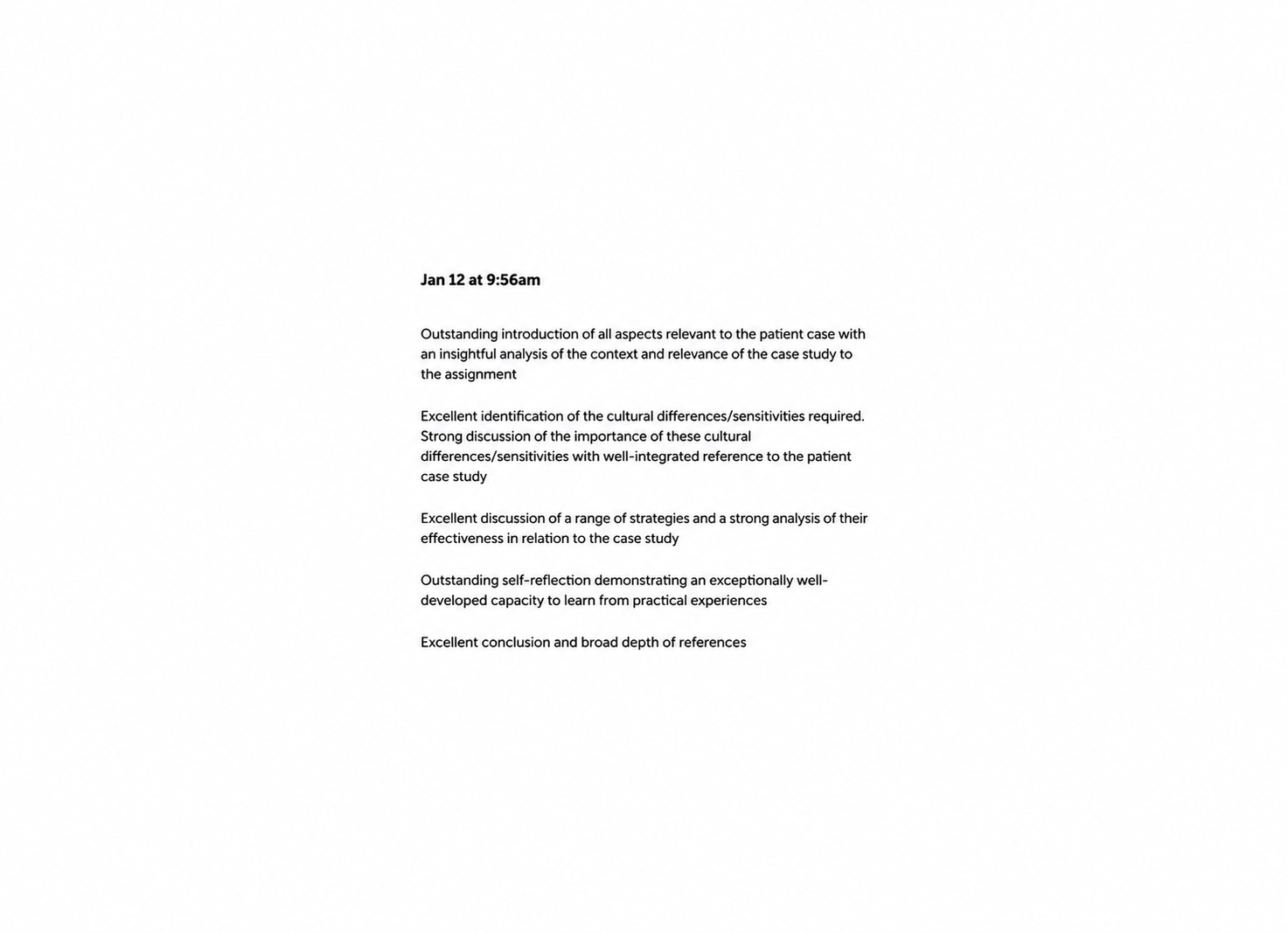
Practising effectively as a medical radiation practitioner means delivering safe, efficient and culturally safe person-centred care to every patient, not just producing a diagnostic image. Throughout my studies and clinical placements, I have focused on respecting each patient’s dignity, autonomy and cultural identity. My strongest evidence of this capability is my Cultural Competence Assessment, where I analysed how health disparities and communication barriers affect patient outcomes in diagnostic radiography. The assessor’s feedback highlighted my identification of the cultural sensitivities involved, my range of strategies and my capacity for self-reflection. In this assessment, I explored practical strategies such as person-centred dialogue, accommodating religious and cultural values, and creating an environment where patients feel listened to and valued. On placement, I apply these principles before every examination by explaining the procedure, checking the patient understands and making sure they are comfortable before any exposure. For example, I respect requests such as a patient preferring a female radiographer or wishing to keep a head covering on, while adjusting my technique so that diagnostic quality is not compromised. I also adapt my language to each patient’s health literacy and emotional state, as imaging can be stressful and unfamiliar. I am aware that I am still developing confidence in some areas, particularly when working with interpreters and when communicating with patients who are very distressed or unable to communicate verbally. In these situations I have learnt to slow down, use clear non-verbal cues and ask senior radiographers for guidance. As a new graduate, I will continue building culturally safe practice, especially when caring for Aboriginal and Torres Strait Islander peoples and culturally diverse communities.
Domain 2: Professional and ethical practitioner
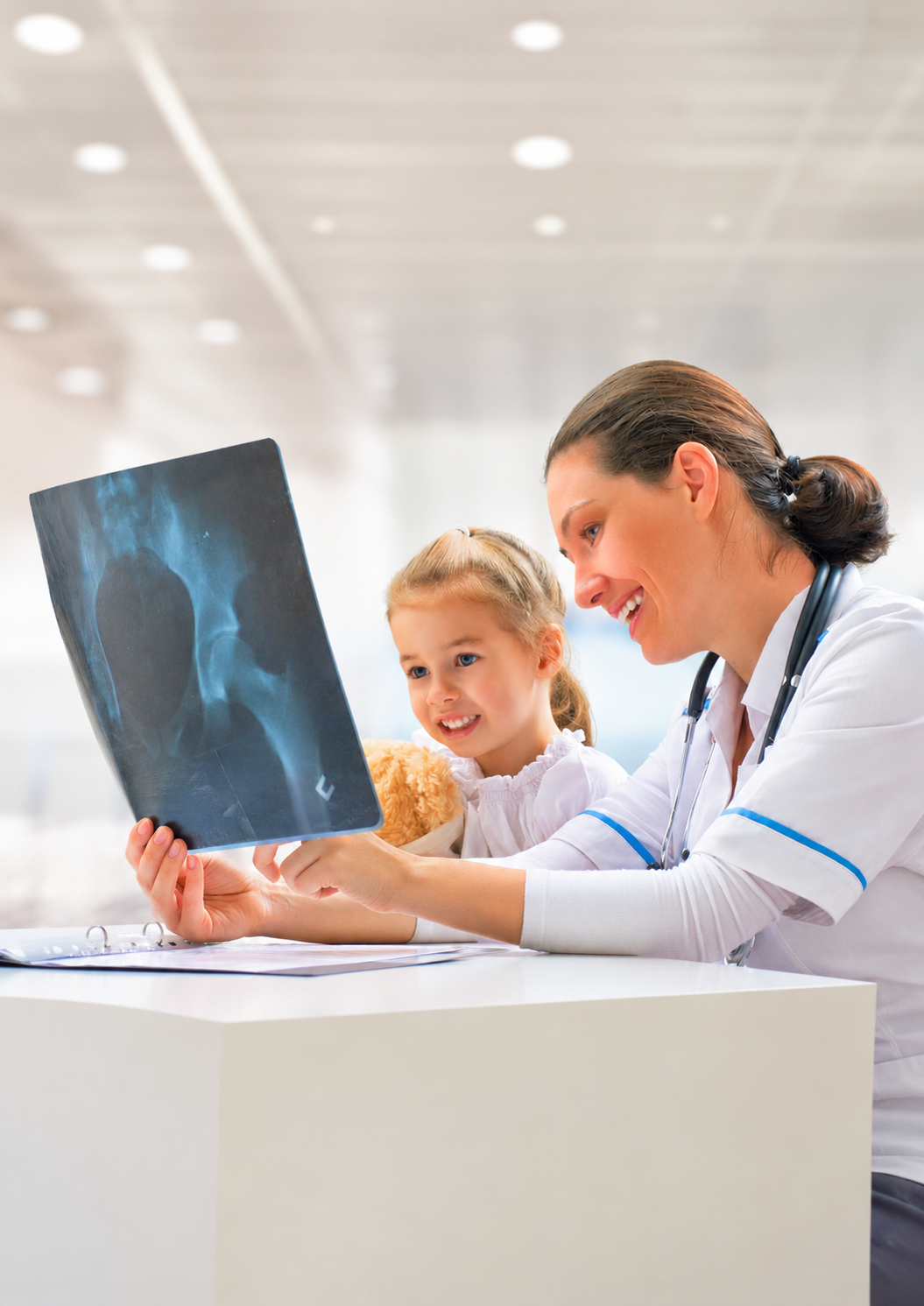
Operating as an ethical and professional practitioner demands a thorough grounding in regulatory frameworks, clinical accountability, and personal integrity within every healthcare context. My commitment to ethical practice is substantiated by my performance in the Foundations in Healthcare assessment and corroborated through formal clinical supervisor feedback. This assessment challenged me to evaluate complex ethical dilemmas within multidisciplinary hospital environments, reinforcing the necessity of strict adherence to privacy legislation and the MRPBA Code of Conduct. I have included an excerpt from this assessment that demonstrates my reflection on the ethical considerations involved in paediatric imaging, highlighting my understanding and application of Domain 2 of the MRPBA Professional Capabilities. Throughout my coursework and clinical placements, I have consistently applied ethical principles, including informed consent, non-maleficence, patient confidentiality, and transparent communication regarding radiation safety, to ensure safe, respectful, and patient-centred care. I further translate these frameworks into practice by verifying identification, double-checking clinical indications against referrers' notes, and upholding patient modesty during imaging. I consistently approach professional feedback as an opportunity for reflective improvement, acknowledging boundaries of personal competence and seeking clinical mentorship whenever complex clinical presentations arise. Maintaining high ethical standards also involves advocating for patient safety through the ALARA (As Low As Reasonably Achievable) principle, ensuring radiation dose optimisation without compromising diagnostic integrity. These professional milestones highlight my dedication to entering clinical practice as a trustworthy, reflective, and morally grounded practitioner.


Domain 3: Communicator and collaborator
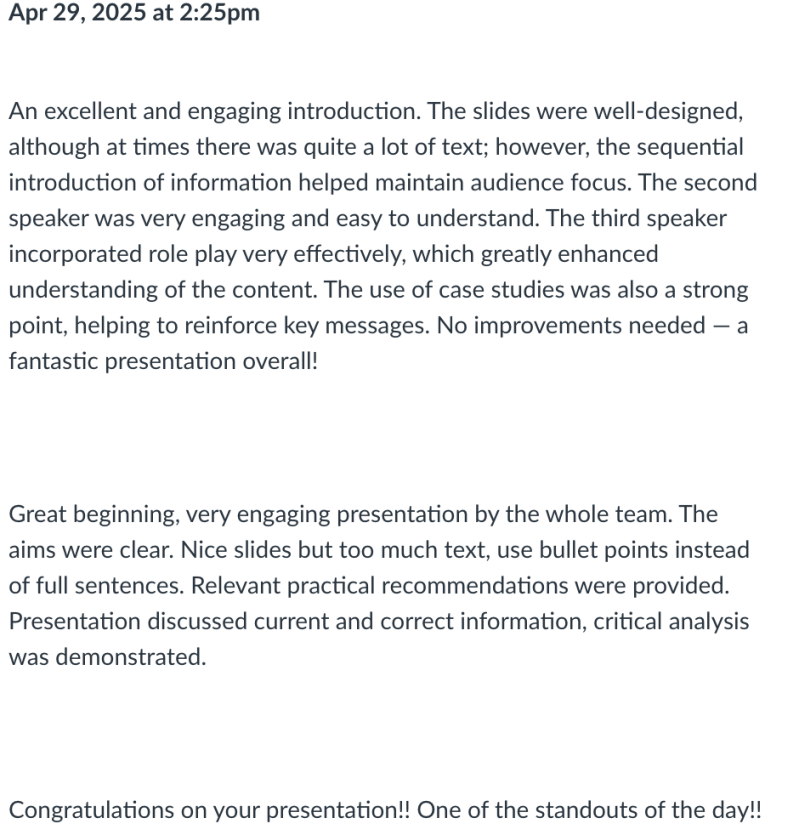
Effective diagnostic radiography relies on clear, empathetic communication and strong interprofessional collaboration. My development in Domain 3 of the MRPBA Professional Capabilities is demonstrated through a collaborative physics assignment completed during my first year of my Masters, alongside my experiences working within multidisciplinary teams during clinical placements. For this assignment, our group explored the importance of radiographers understanding radiation dose measurements across different imaging modalities to effectively address patient concerns regarding radiation exposure. Completing this assignment required delegating responsibilities, discussing different perspectives, resolving conflicting interpretations and integrating our research into a cohesive presentation. This experience strengthened my ability to actively listen, communicate complex information clearly and contribute respectfully towards a shared goal. Throughout my clinical placements, I have further developed these skills by collaborating with radiographers, radiologists, nurses and emergency physicians. These interactions have reinforced the importance of effective communication when coordinating examinations, obtaining relevant clinical histories, prioritising urgent patients and ensuring safe patient handovers. Additionally, I recognise the importance of adapting my communication to individual patient needs. When interacting with patients experiencing anxiety, distress or mental health challenges, I use calm verbal reassurance, clear explanations and appropriate body language to establish trust and encourage cooperation. Reflecting on these experiences, I recognise that effective communication involves active listening, adaptability and mutual respect. My collaborative coursework and clinical experiences demonstrate my ongoing commitment to Domain 3, supporting effective teamwork and compassionate, patient-centred care.
Create Your Own Website With Webador